
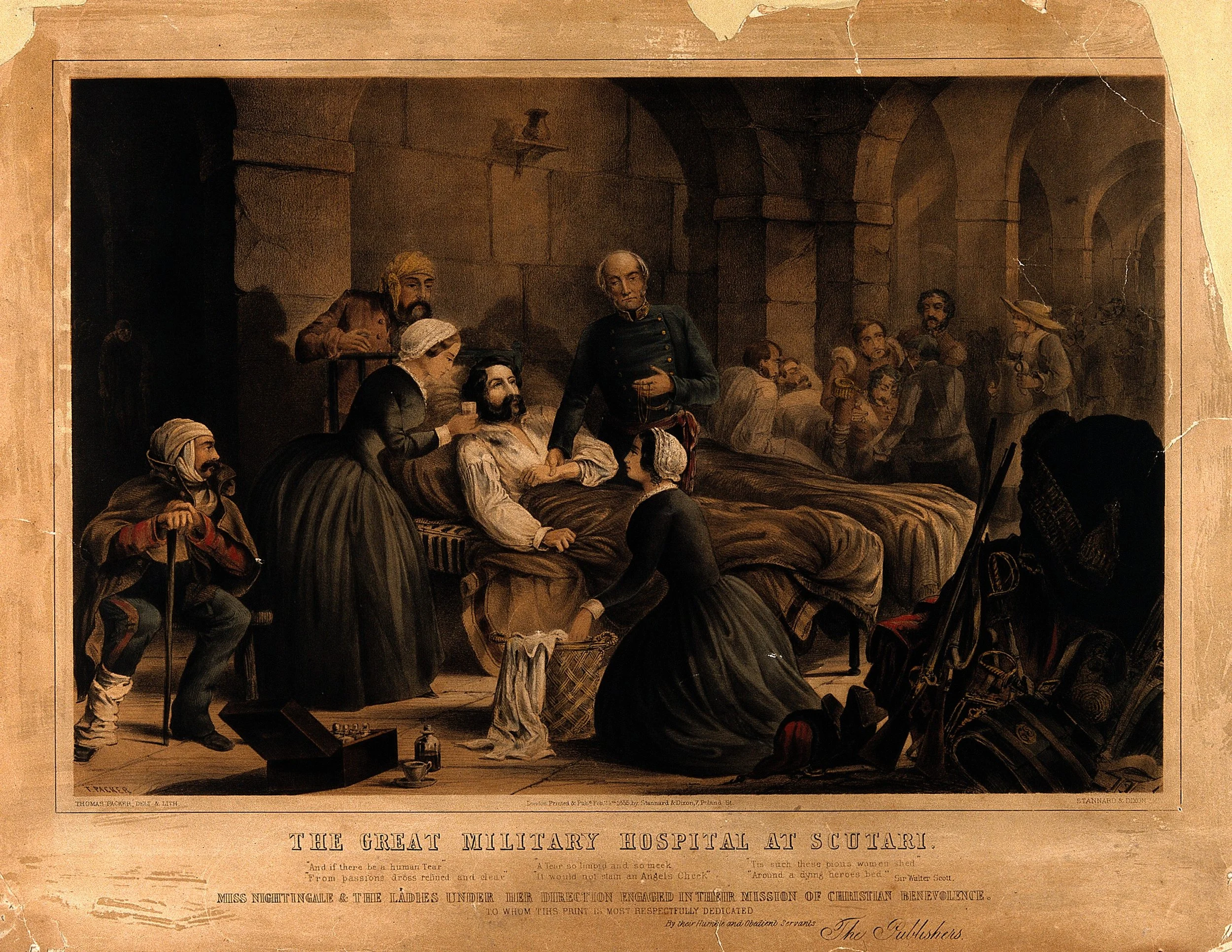
The Call of the Bugle – Part IV: The Nurses of Scutari
If you ever are hospitalized and see all the nurses, orderlies, and nurses’ aides running about, look hard, and you might see the nurses of Scutari smiling at you…
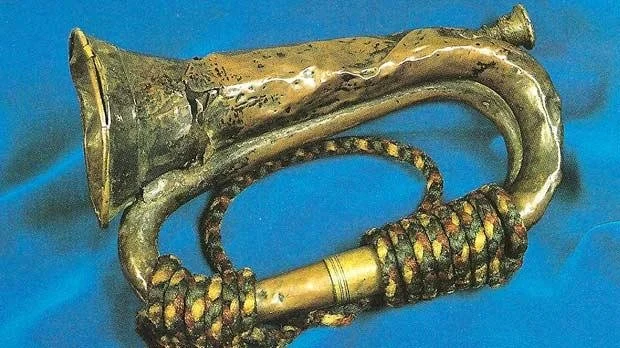
The Call of the Bugle – Part III: “Billy, get up, get up and blow another charge.”
A grizzled sergeant from the 17th bends over the bed of a fallen trumpeter and pleads with him to survive. The pleas were hopeless; the wounds were too severe for Victorian medicine to cure. The trumpeter died. But the question remained: Who blew the bugle, and where is it now?
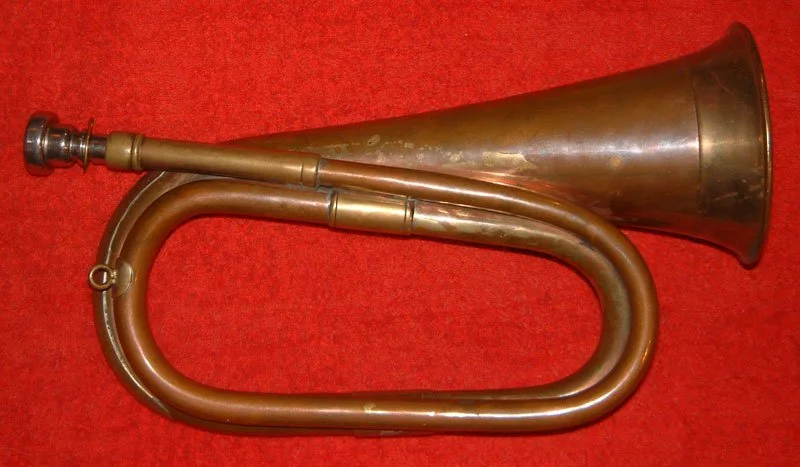
The Call of the Bugle – Part II: The Sound in the Story
The Call of the Bugle opens with exactly that: A bugle call inside the head of a jaded, alcoholic reporter, which drives him to write about the final moments of a dark rider he saw die in the Charge of the Light Brigade. But before we sail off into a cloud of 19th-century romanticism, let’s examine what we’re talking about more closely. First things first: A bugle is not a trumpet…
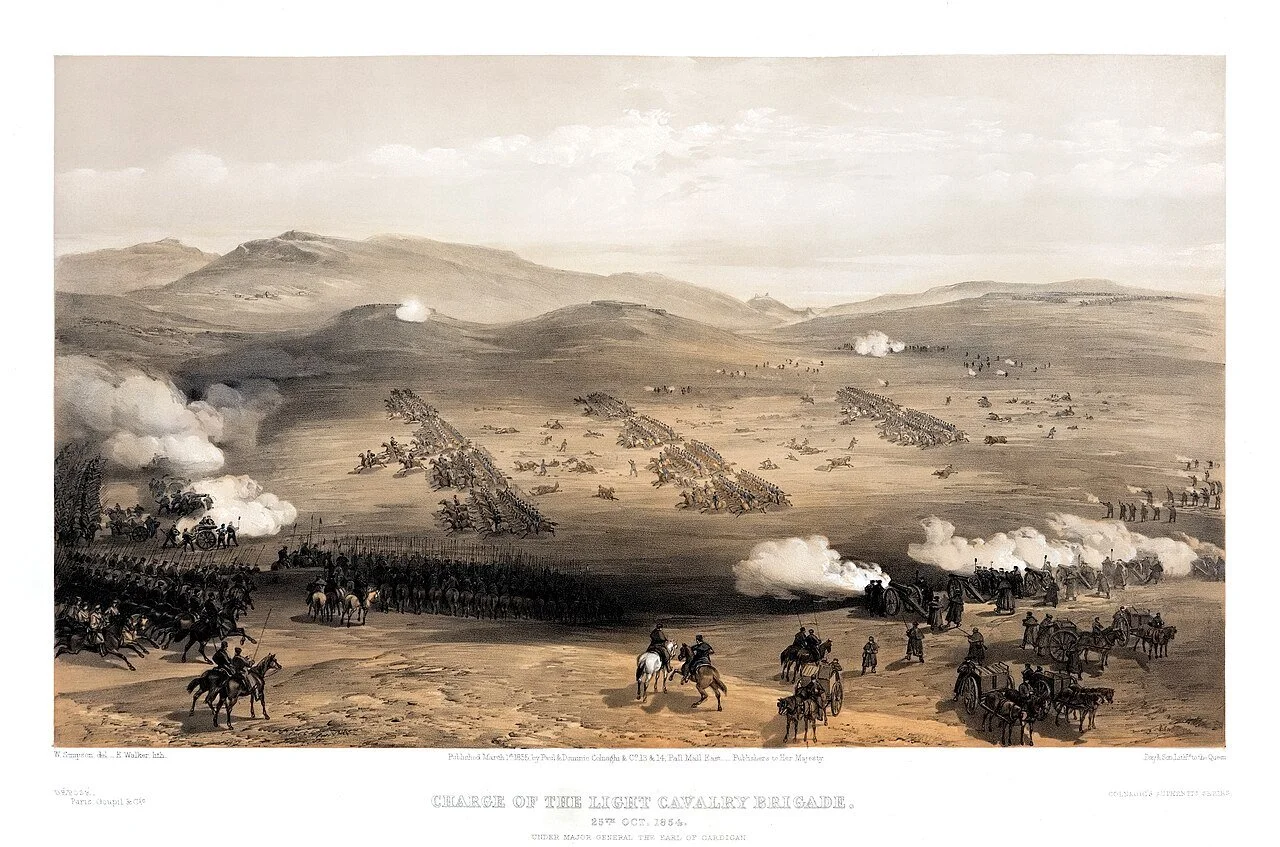
The Call of the Bugle – Part I: How It Came to Be Written
How a chance visit to the Cirencester Cathedral and Alfred Lord Tennyson’s “The Charge of the Light Brigade” inspired my forthcoming novel, The Call of the Bugle.
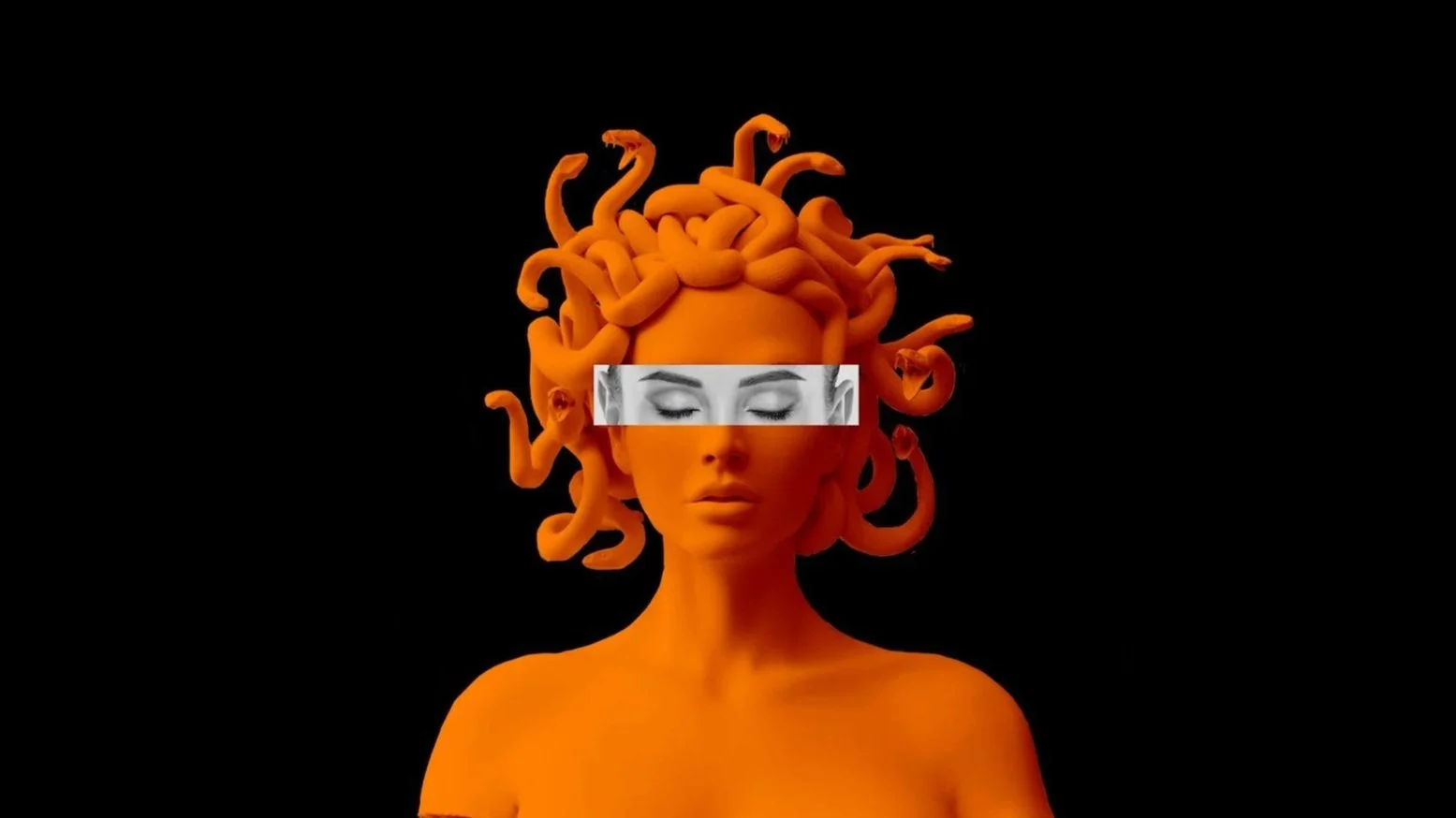
Medusa – Part II: Evolution of an Image
Over the course of two thousand years, Medusa’s image evolved from that of a monster with tusks and a beard to that of a beautiful woman. She was a woman horribly wronged, raped by a god and then punished as the victim—but also a woman who resists, who rages and survives…
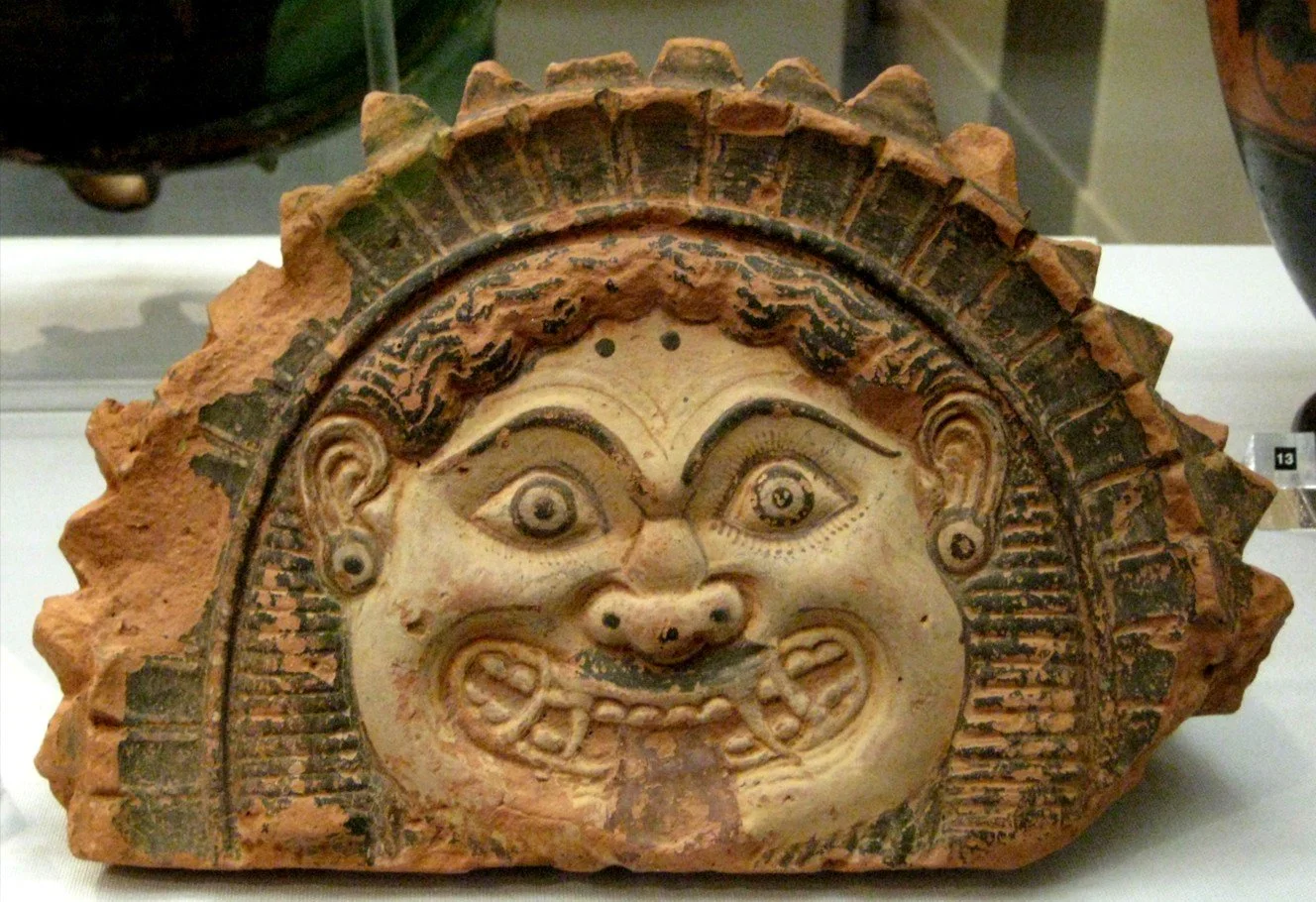
Medusa – Part I: The Woman and the Myth
Medusa was the most beautiful of women. Her beauty was so great that the Gods became jealous and punished her by turning her into a monster…
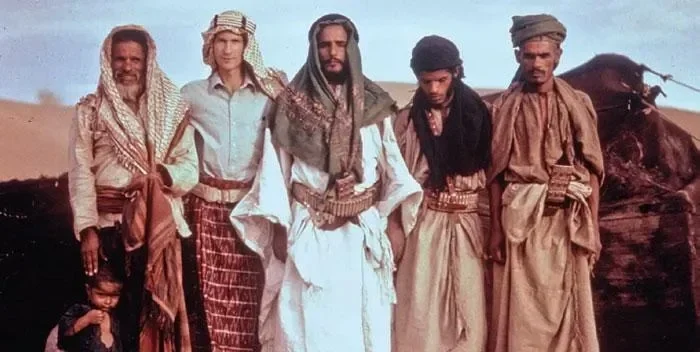
The Arabian Nights Revisited II: The Kalendar Prince Rides Again
Phillips was an incredible showman. He could talk his way into anything, and he had no qualms about speaking to kings, sultans, or shaykhs. He was the Kalendar Prince writ large...

The Arabian Nights Revisited I: The Strange Case of Wendell Phillips
In the late 1940s, an adventurer named Wendell Philips organized a series of archaeological expeditions to find traces of Ali Baba and Sinbad. He became both famous and rich; admirers called him "the American Lawrence of Arabia.”
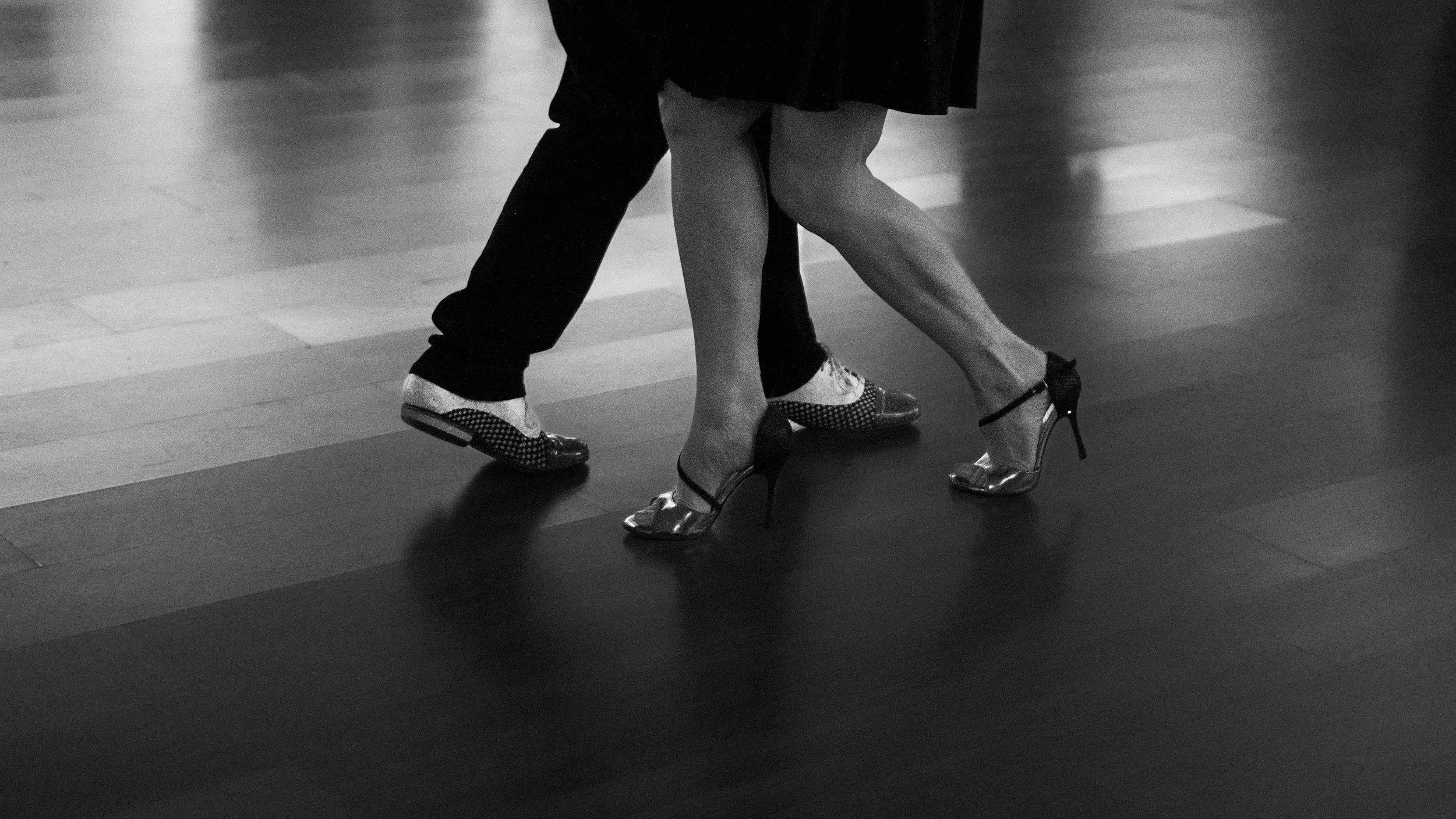
Secrets of The Student – Part II: The Tango Motif
If there were a musical score to the Petrie and Pettigrew series, it would be a tango. That mysterious dance, at once sexually alluring and classically elegant, runs through the series, driven by themes of lost love, broken hearts, and loss of innocence.
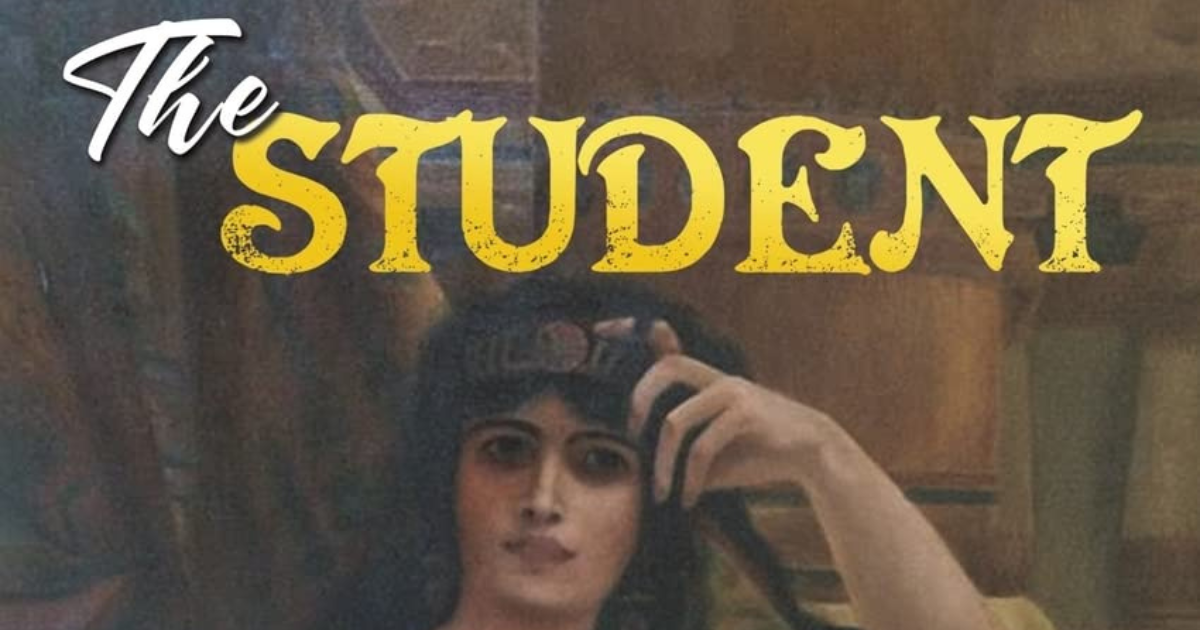
Secrets of The Student – Part I: Memory and Story
The Student differs from the other works because it was written like a stream-of-consciousness memoir rather than a structured novel. It is a memory—often uncertain, sometimes chaotic recollections of events that occurred decades before…
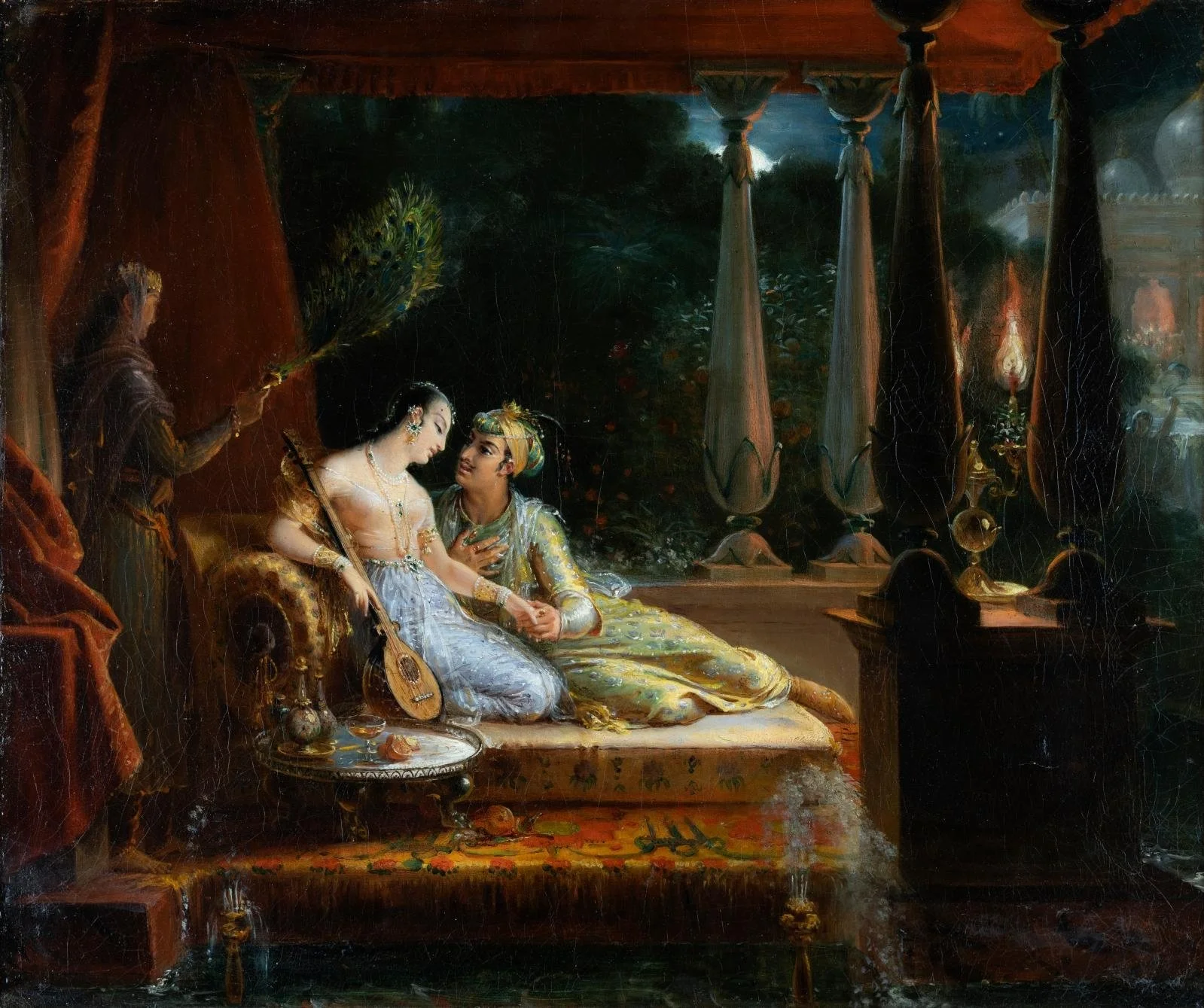
Scheherazade – Part III: She Gets Into Your Head
"You're late, as usual," the instructor said, as she thumped a worn leather binder in front of me. "Let's see what you can do with this."
“Alf Layla wa-Layla.” I didn't need a dictionary to read the words: A Thousand and One Nights. I leaned back in my chair and wondered, The Arabian Nights are sitting open before me, and they are real.
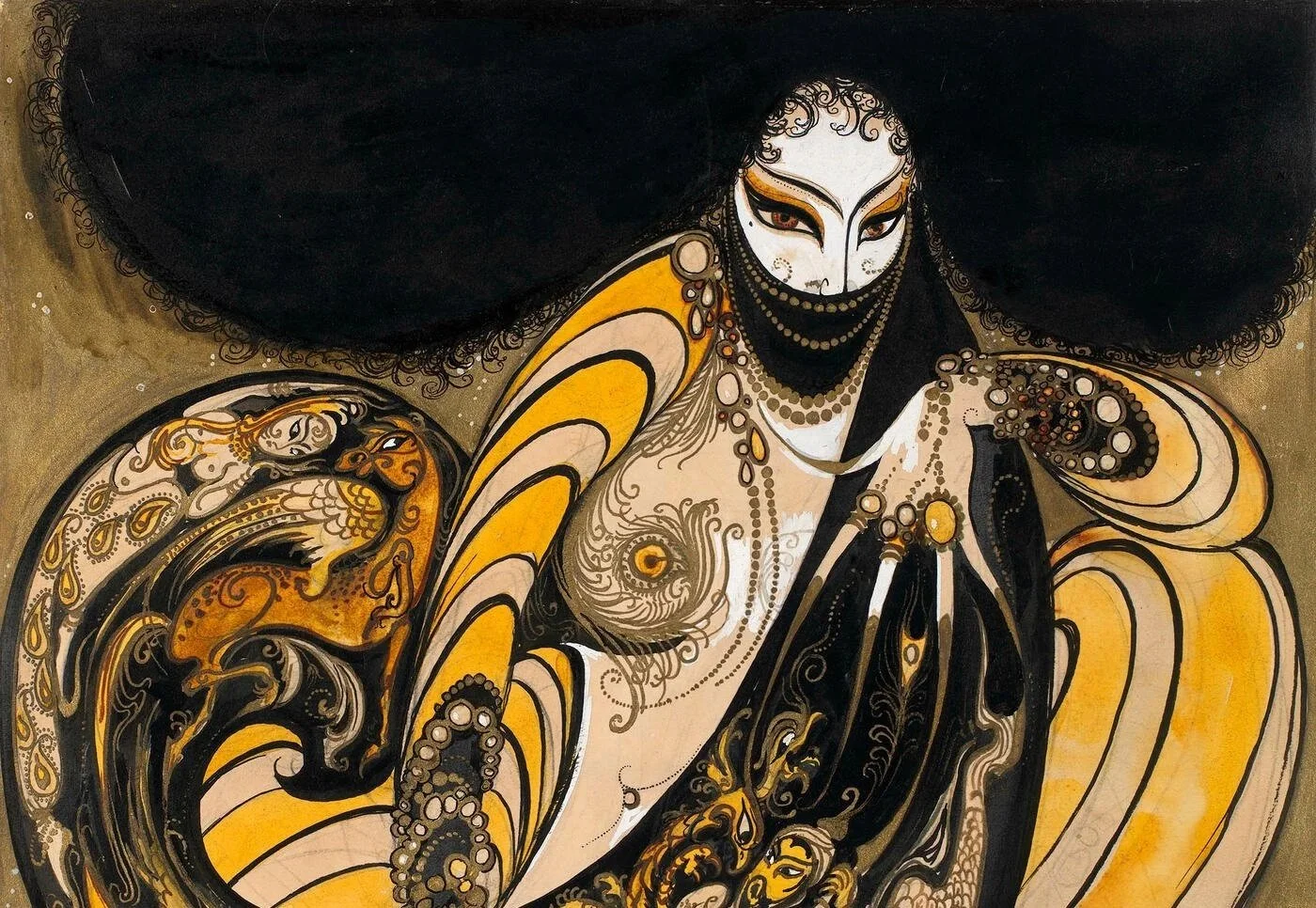
Scheherazade – Part II: Who Was She?
Scheherazade couldn't have made all those stories up; she had to get them from somewhere. The stories themselves come from a variety of sources: Arabic, Persian, and even ancient myths. So not only was she beautiful, but also extraordinarily literate for her time.
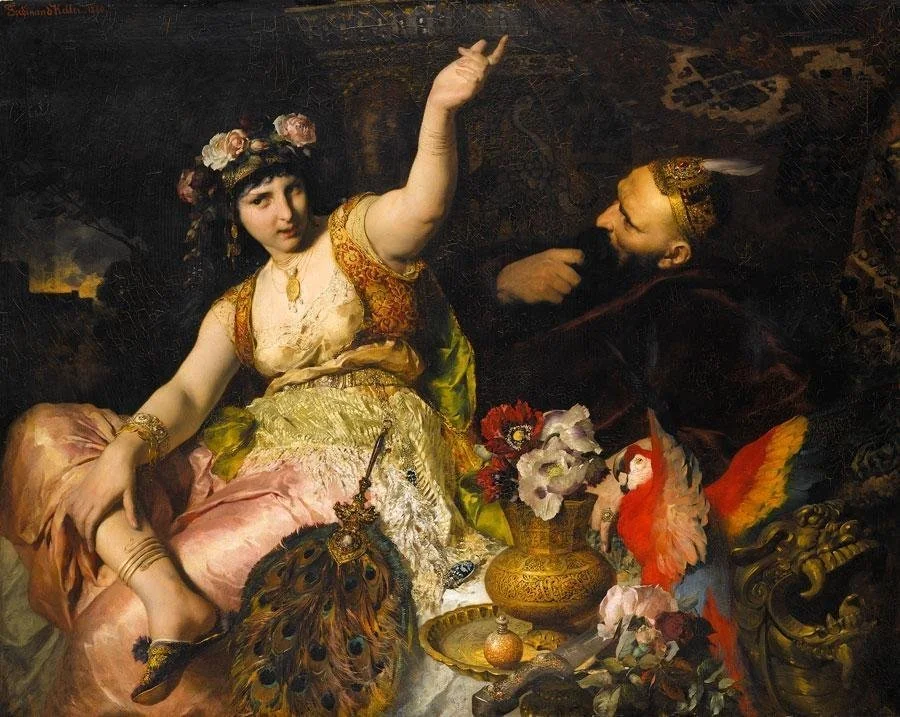
Scheherazade – Part I: Imagination Soars
I first heard Rimsky Korsakov's Scheherazade on scratchy 78 RPM records. When the solo violin started Scheherazade's soaring theme, I leaned close to the old record player and was transported to a world of dashing heroes, beautiful princesses, and evil villains. Nothing Hollywood could produce came close to the imaginary wonders of the Arabian Nights…
On Writing – Part III: To Be Brief or Not to Be
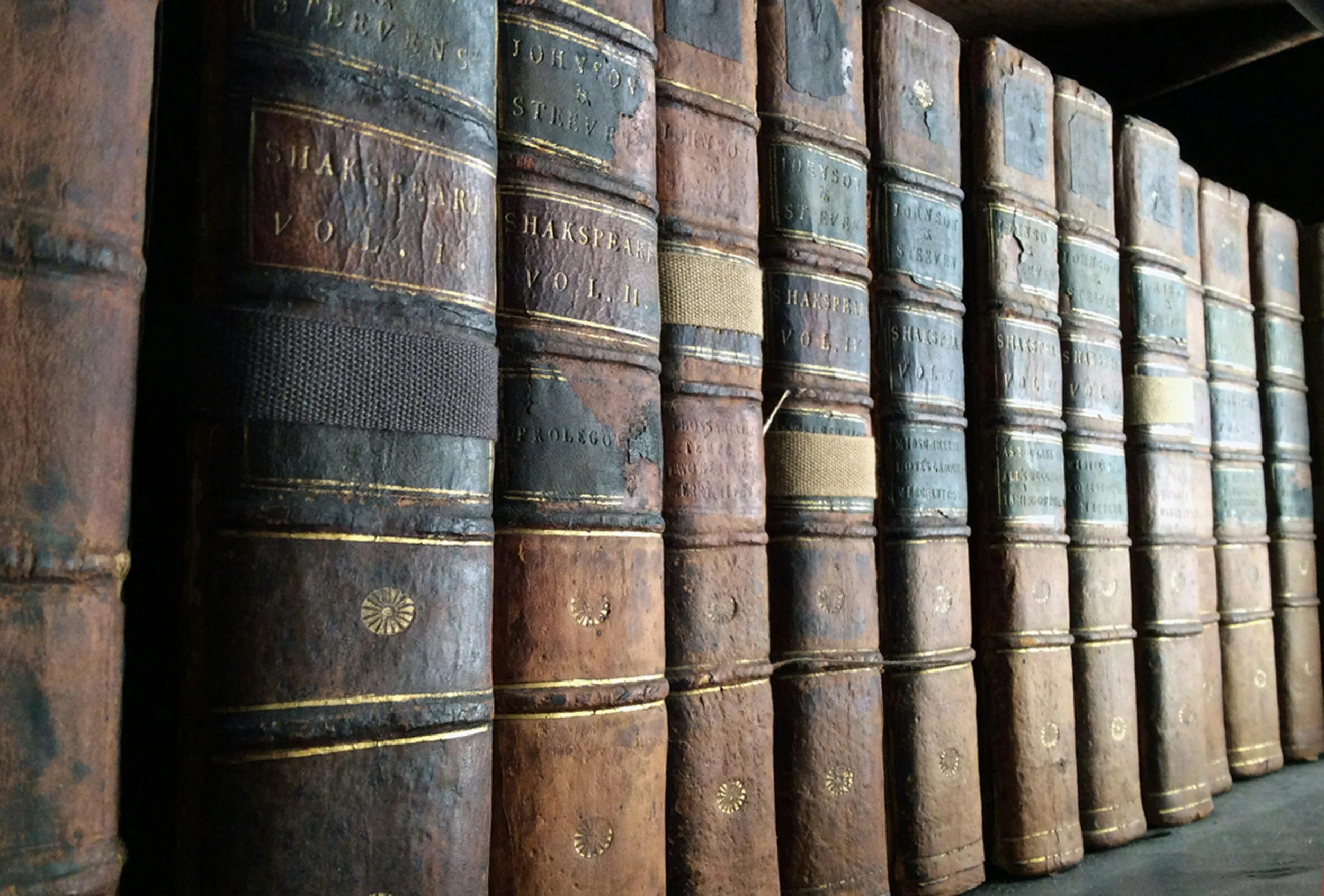
When I first started out, I read the "little book" by Strunk and White. Their mantra was: "Keep it short, stupid." So I wrote neat little sentences. Didn't work…

On Writing – Part II: Practice Makes Perfect
Sir Arthur Conan Doyle didn't just pop up one morning and write The Speckled Band; he wrote thousands of other words that nobody remembers today. And that's pretty much true of all the great writers: The stuff we read is really just the tip of iceberg. So start writing.

On Writing – Part I: A Ball of Emotional String
There is a joke that goes: "They laughed when I sat down to write." That was me. Then I decided to write a book…
Will the Real Cleopatra Please Stand Up?: Part III
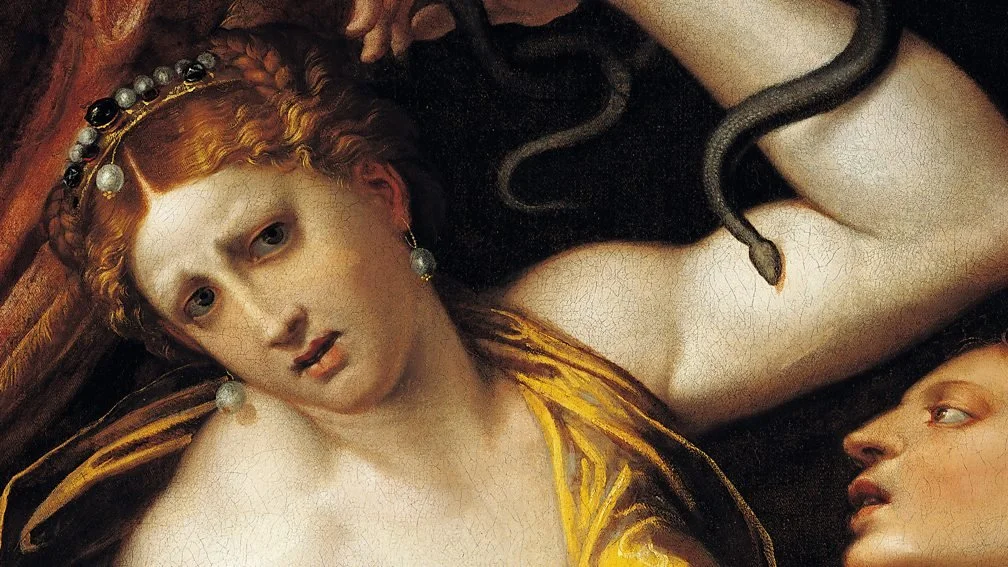
The great queen lives in our imaginations. You can like her, you can hate her, but you cannot turn your eyes away from her…
Will the Real Cleopatra Please Stand Up?: Part II
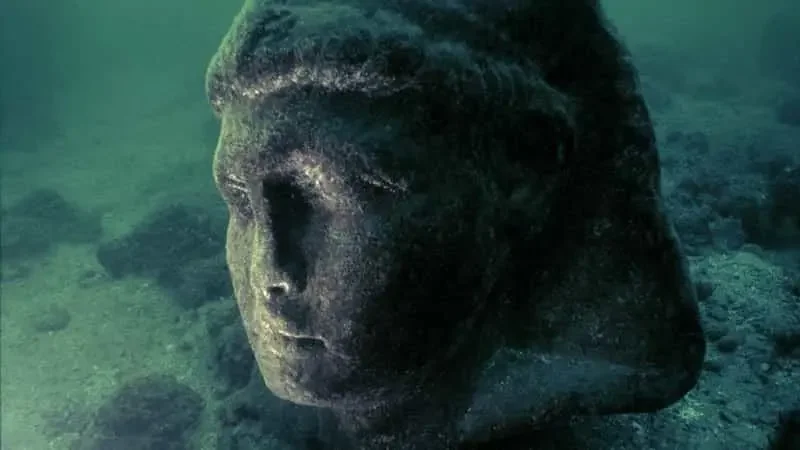
So what did Cleopatra actually look like? The current generation thinks she looked like either Elizabeth Taylor or Adele James. Earlier generations favored Claudette Colbert, Theda Bara, or Sarah Bernhardt. But are any of those depictions really true? Probably not…

Will the Real Cleopatra Please Stand Up?: Part I
Cleopatra: the very name evokes imagery. Her full name was Cleopatra VII Thea Philopater. Cleopatra means “glory of the father” or “father-loving goddess,” depending on the translation…